PRP vs Hair Transplant: Which Approach Is Better for Different Types of Hair Loss?

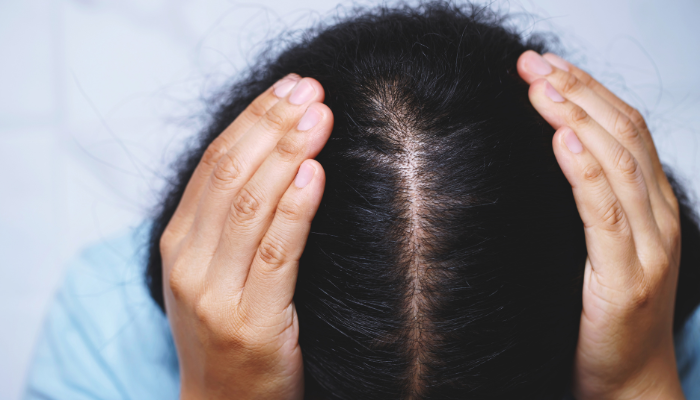
Hair loss can happen for reasons. These include genetics, changes in hormones not getting nutrients, stress, health problems and changes that come with getting older. Some people see their hair get thinner slowly over time. Others might get areas where hair is missing or have severe hair loss. Since each kind of hair loss is different the best treatment will be different, for each person.
Two discussed options are hair transplantation and PRP Hair Treatment in Raipur , PRP is (Platelet-Rich Plasma) . Which one is better for different stages and patterns of hair loss? Learning how these treatments work can help you have an informed discussion with a qualified specialist such, as Dr. Anugandha Ghatge Bora.
What Is PRP Hair Treatment?
PRP therapy is a -surgical treatment that uses parts from a person’s own blood. A small amount of blood is. Then processed to concentrate platelets and growth factors. This prepared plasma is then injected into spots on the scalp.
The goal is to help improve the scalp environment and encourage the hair follicles that’re already there to grow stronger. PRP may be an option for people who are starting to notice thinning hair especially when the hair follicles are still present but producing finer strands.
Results can differ from person to person depending on the reason, for hair loss how healthy the follicles are, the person’s age, overall health and the treatment plan followed. PRP is usually seen as a treatment, not a way to create new hair follicles in areas where the follicles have been lost for good.
When Can PRP Be Considered?
For people who have early-stage hair thinning making the hair thats already there stronger can be a step in dealing with hair loss. PRP hair treatment in Raipur could be an option if there is thinning but enough healthy hair follicles are still present, in the area thats affected.
1. PRP may be discussed in situations such as:
2. Early pattern hair thinning often signals the start of hair loss.
3. Reduced hair density means hair strands, per area.
4. Weak or miniaturized hair follicles are hair roots that have become small.
5. Certain types of -scarring hair loss happen without skin damage.
6. Hair thinning where existing follicles may still respond to treatment indicates that hair roots could still react to therapy.
A good look at the scalp and hair is needed before deciding if PRP is right for you. Hair loss that comes from not getting nutrients, issues with the thyroid changes in hormones or other health problems might need checking and treating the main reason, behind it
What Is a Hair Transplant?
A hair transplant is a treatment that moves hair follicles from one part of the body to another. The donor area is usually the back or sides of the head, where hair grows thicker and is less likely to fall out. These healthy follicles are then placed into areas where hair has stopped growing
Today’s methods focus on taking groups of hair follicles called follicular units and putting them into tiny openings in the scalp. The placement is done with care to match the direction of hair growth. This helps the results look smooth and realistic. The main aim is to fill in thinning spots and make the hair look fuller.
nlike PRP, which uses a person’s blood to stimulate hair growth a hair transplant actually brings new hair follicles to balding areas. This can work well for people who have lost hair permanently long as they have enough donor hair and meet the medical requirements. Not everyone is a candidate but, for those who are the results can be very effective.
Visit Best hair transplant doctor in Raipur
PRP Hair Treatment in Raipur vs Hair Transplant: Which Is Better?
There is no treatment that is best for everyone. PRP hair treatment in Raipur may be more appropriate for someone with thinning and functioning follicles. Transplantation may be considered when there is established hair loss. Areas that require follicular coverage are often the reason for considering transplantation.
A simple comparison can help:
Factors | PRP Therapy | Hair Transplant |
Procedure type | Non-surgical | Surgical |
Main purpose | Support existing follicles | Add follicles to areas of hair loss |
Best suited for | Early or moderate thinning in selected cases | Suitable candidates with permanent hair loss |
Creates new follicles? | No | Yes, by relocating existing follicles |
Recovery | Usually minima | Requires a recovery period |
Results | Gradual and variable | Gradual growth after transplantation |
The decision should not be based on the amount of hair loss. The decision should take into account the cause the pattern, the donor hair availability, the scalp condition, the age, the expectations and the long‑term progression.
Can PRP and Hair Transplant Be Used Together?
In some situations experts might suggest using than one method as part of a complete plan for growing hair again. PRP could be used before or, after a hair transplant to help keep the hair healthy or to support the new hair, based on what the person needs.
Using multiple treatments together is not always needed. It’s important to have a custom check-up to see if adding another step makes a difference.
For people thinking about PRP hair treatment, in Raipur a consultation can help figure out if the main issue’s temporary hair shedding, ongoing thinning or permanent loss of hair follicles. Knowing which one it is matters a lot. Treating the cause early on could stop the problem from getting worse.
How to Choose the Right Hair Loss Treatment
Choosing between PRP and hair transplantation should start with diagnosis, not the procedure itself. I recommend that a specialist examines the pattern of hair loss, scalp health, family history, current follicle density, donor area and possible medical causes.
It is also very important to know expectations. PRP cannot bring back follicles that’re permanently gone while a hair transplant does not always stop future hair loss in areas that are not treated.
A customized treatment plan from a professional is therefore more useful than picking a procedure only from online comparisons. At Dermafusion Clinic the conversation, about treatment will be guided by your hair and scalp condition, not a one‑size‑fits‑all method.
Conclusion
PRP and hair transplantation have roles in hair restoration. PRP works by supporting the hair follicles that’re already present. It can be a choice for people who are experiencing early or moderate hair thinning. Hair transplantation on the hand offers a more permanent solution by moving hair follicles from donor areas to balding regions. This option is best when hair loss is advanced and stable and the patient has healthy donor hair.
Choosing the treatment depends on what is causing the hair loss, how far along it is the pattern of loss and how much hair has been lost. If you are thinking about PRP hair treatment, in Raipur it’s important to speak with a specialist. They can evaluate your condition. Help decide whether PRP, hair transplantation, another treatment or a mix of treatments would work best for you. Contact Today!
Frequently Asked Questions
1. Is PRP better than a hair transplant?
Not always. PRP and hair transplant are treatments for hair loss so which one is better depends on the persons situation.
2. Can PRP regrow bald areas?
PRP works on hair follicles that’re still there and usually cannot grow new hair in places where the hair follicles have been lost forever.
4. Is a hair transplant suitable for everyone?
No. Whether a hair transplant is right for someone depends on having donor hair the reason, for hair loss the health of the scalp, age and other factors that need to be checked.
5. How do I know which treatment I need?
A professional hair and scalp check can help me find out why hair loss is happening how severe hair loss is and which treatment might work best for treatment.
6. Can PRP be used after a hair transplant?
In some cases PRP can be added to a hair repair plan but the treating specialist must decide about PRP.
Unveil Your Most Beautiful Self.
Cosmetic Services
Our Process
01
Consultation
Begin with a personalized consultation.
02
Diagnosis Plan
Receive a personalized plan outlining recommended.
03
Treatment Sessions
Receive a personalized treatment plan designed
04
Results
Experience the results of our comprehensive care.
Before after


