
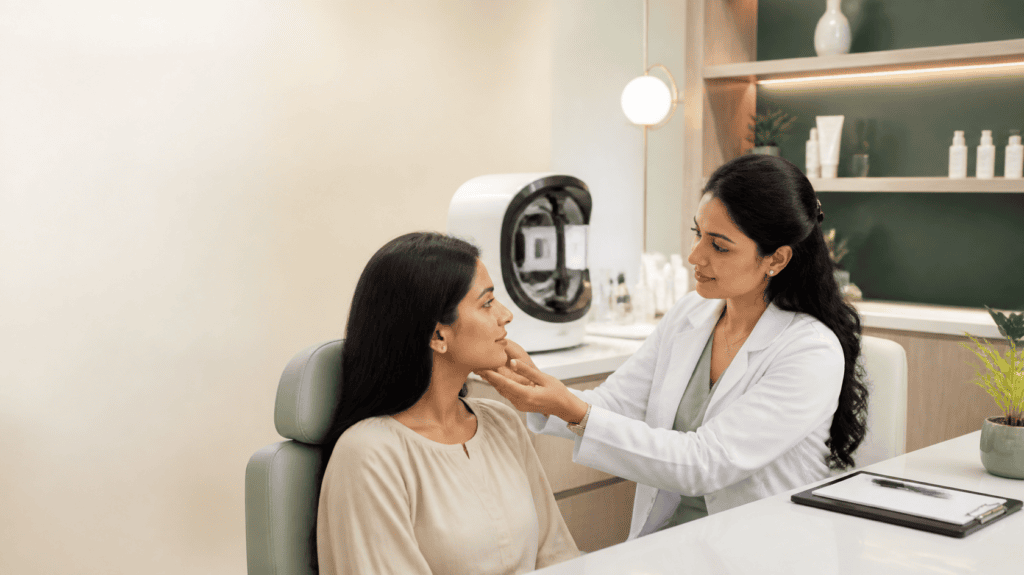
Common Skin Issues Treated by Dermatologists in Raipur and When to Visit

Your skin is the body’s largest organ and acts as the primary barrier against environmental pollutants, harsh UV rays, and microbial pathogens. However, maintaining healthy, glowing skin can sometimes feel like an uphill battle, especially in regions with distinct seasonal shifts and high humidity levels like Chhattisgarh. Whether you are dealing with stubborn breakouts, persistent rashes, or pigmentation concerns, knowing when to seek professional help can save you from long-term damage.
When persistent dermatological concerns arise across bustling commercial hubs like Shankar Nagar, Pandri, or Civil Lines, consulting the best dermatologist in Raipur is the most reliable path to achieving lasting skin health. This comprehensive guide explores the most prevalent skin conditions treated by local specialists, effective treatment modalities, and the critical warning signs that mean it is time to schedule a professional skin consultation.
Understanding the Role of a Professional Skin Doctor
Many individuals rely on over-the-counter creams, home remedies, or internet advice when skin issues flare up. While these may offer temporary relief, they often mask underlying pathologies. A qualified skin doctor Raipur residents trust goes beyond surface-level aesthetics. Dermatologists undergo rigorous medical training to diagnose and manage over 3,000 conditions affecting the skin, hair, and nails.
From diagnosing autoimmune disorders that manifest on the skin to performing minor surgical procedures for cyst removal and skin cancer screenings, a trained specialist offers evidence-based solutions tailored to your unique skin phototype and medical history.
Most Common Skin Diseases and Issues Treated in Raipur
Environmental factors, lifestyle stress, dietary habits, and pollution play significant roles in skin health. In clinical practice across local dermatology clinics, several conditions appear with high frequency:
1. Acne Vulgaris and Acne Scarring
Acne is arguably the most common skin complaint, affecting not just teenagers but a growing number of adults due to hormonal fluctuations, stress, and humidity. It manifests as whiteheads, blackheads, papules, pustules, and painful cystic nodules.
Why it needs professional care: Improper squeezing or delayed treatment often leads to permanent rolling, boxcar, or icepick scars, as well as post-inflammatory hyperpigmentation. Specialized acne treatment Raipur clinics offer includes customized topical regimens, oral antibiotics, comedone extractions, medical-grade chemical peels, and fractional lasers.
2. Fungal Infections and Tinea Cruris
Due to the hot and humid climate experienced during major parts of the year in central India, fungal infections are extremely common. Conditions such as ringworm (tinea corporis), jock itch (tinea cruris), and athlete’s foot thrive in sweat-prone areas.
Why it needs professional care: Over-the-counter steroid creams often provide temporary relief but can worsen fungal infections by suppressing local immunity—a phenomenon known as tinea incognito. A dermatologist prescribes targeted antifungals and educates patients on preventive hygiene.
3. Melasma and Hyperpigmentation
Uneven skin tone, dark patches on the cheeks, forehead, or upper lip (melasma), and sunspots are frequent concerns among local residents exposed to intense UV radiation during daily commutes.
Why it needs professional care: Pigmentation can be triggered by hormones, sun damage, or post-inflammatory responses. A dermatologist evaluates the depth of melanin deposition using specialized lamps and recommends customized depigmenting agents, sun protection protocols, and advanced procedures like Q-switched lasers.
4. Eczema (Atopic Dermatitis) and Contact Dermatitis
Eczema causes dry, itchy, inflamed, and cracked skin, while contact dermatitis occurs when the skin reacts adversely to irritants or allergens like cosmetics, metals, or detergents.
Why it needs professional care: Chronic scratching breaks the skin barrier, leading to secondary bacterial infections. Dermatologists use patch testing to identify triggers and prescribe barrier-repair creams and anti-inflammatory therapies.
5. Psoriasis and Chronic Scaling Disorders
Psoriasis is a chronic autoimmune condition that accelerates skin cell growth, resulting in thick, red patches covered with silvery-white scales, commonly appearing on elbows, knees, and the scalp.
Why it needs professional care: While psoriasis cannot be entirely cured, modern biologic therapies, targeted phototherapy, and specialized topical treatments can keep flare-ups completely under control.
Hair and Scalp Disorders Handled by Dermatologists
Skin health is closely tied to scalp health. Hair thinning, diffuse hair loss (telogen effluvium), male and female pattern baldness (androgenetic alopecia), and stubborn dandruff are frequent reasons patients seek expert care.
Modern clinics provide advanced diagnostic tools like trichoscopy, alongside regenerative therapies such as Platelet-Rich Plasma (PRP) therapy and growth factor concentrates to stimulate dormant hair follicles.
When to Visit a Dermatologist: Key Warning Signs
Not every minor blemish requires a specialist visit, but certain symptoms warrant immediate professional evaluation. You should book an appointment if you notice:
Persistent Breakouts: Acne that does not respond to over-the-counter washes after 6 to 8 weeks, or acne that leaves deep scars.
Changing Moles: Any mole that changes in size, shape, color, exhibits irregular borders, or starts bleeding.
Spreading Rashes: Sudden, unexplained rashes accompanied by fever, blistering, or intense pain.
Chronic Itching: Itching that disrupts your sleep and shows no visible rash or improvement with moisturizers.
Hair Loss in Patches: Sudden clumps of hair falling out or distinct circular patches of hair loss on the scalp or beard.
Non-Healing Sores: Any cut, sore, or ulcer that fails to heal within two weeks.
Walking into a professional clinic for a skin consultation is a straightforward and reassuring process designed to diagnose and treat your concerns efficiently:
Medical History Review: The doctor will ask about your daily skincare routine, dietary habits, occupational exposures, medications, and family history of skin conditions.
Physical Examination: The practitioner will closely examine the affected areas, sometimes using specialized magnifying lenses or Wood’s lamps to assess pigmentation and texture.
Diagnostic Testing: If necessary, simple tests such as skin scrapings for fungal analysis, bacterial cultures, or small biopsies may be performed.
Tailored Treatment Plan: You will receive a clear, step-by-step roadmap that includes prescription medications, lifestyle adjustments, skincare product recommendations, and follow-up schedules.
Tips for Maintaining Healthy Skin Between Visits
While expert intervention is essential for treating active conditions, daily habits protect your skin barrier:
Never Skip Sunscreen: Apply a broad-spectrum sunscreen with SPF 30 or higher daily, even during cloudy weather or when working indoors near windows.
Gentle Cleansing: Wash your face twice daily with a mild, sulfate-free cleanser that respects your skin’s natural lipid mantle.
Hydrate Inside and Out: Drink adequate water and use a ceramide-rich moisturizer suited to your skin type (gel-based for oily skin, cream-based for dry skin).
Avoid Touching Your Face: Keep unwashed hands away from active blemishes to prevent introducing secondary bacterial infections.
Frequently Asked Questions
When should I consult the best dermatologist in Raipur?
You should visit a professional skin doctor in Raipur if you experience persistent acne that leaves scars, sudden rashes, changing moles, chronic itching, or hair loss that does not improve with over-the-counter remedies.
What are the most common skin diseases treated in Raipur clinics?
The most frequently treated conditions include acne vulgaris, melasma, fungal infections like ringworm due to humid weather, eczema, psoriasis, and contact dermatitis.
How is severe acne treated by a skin doctor in Raipur?
Effective acne treatment in Raipur often involves a combination of topical retinoids, oral medications, chemical peels, and advanced laser therapy tailored to your specific skin type and scarring severity.